Introduction: The World’s Arteries Under Pressure
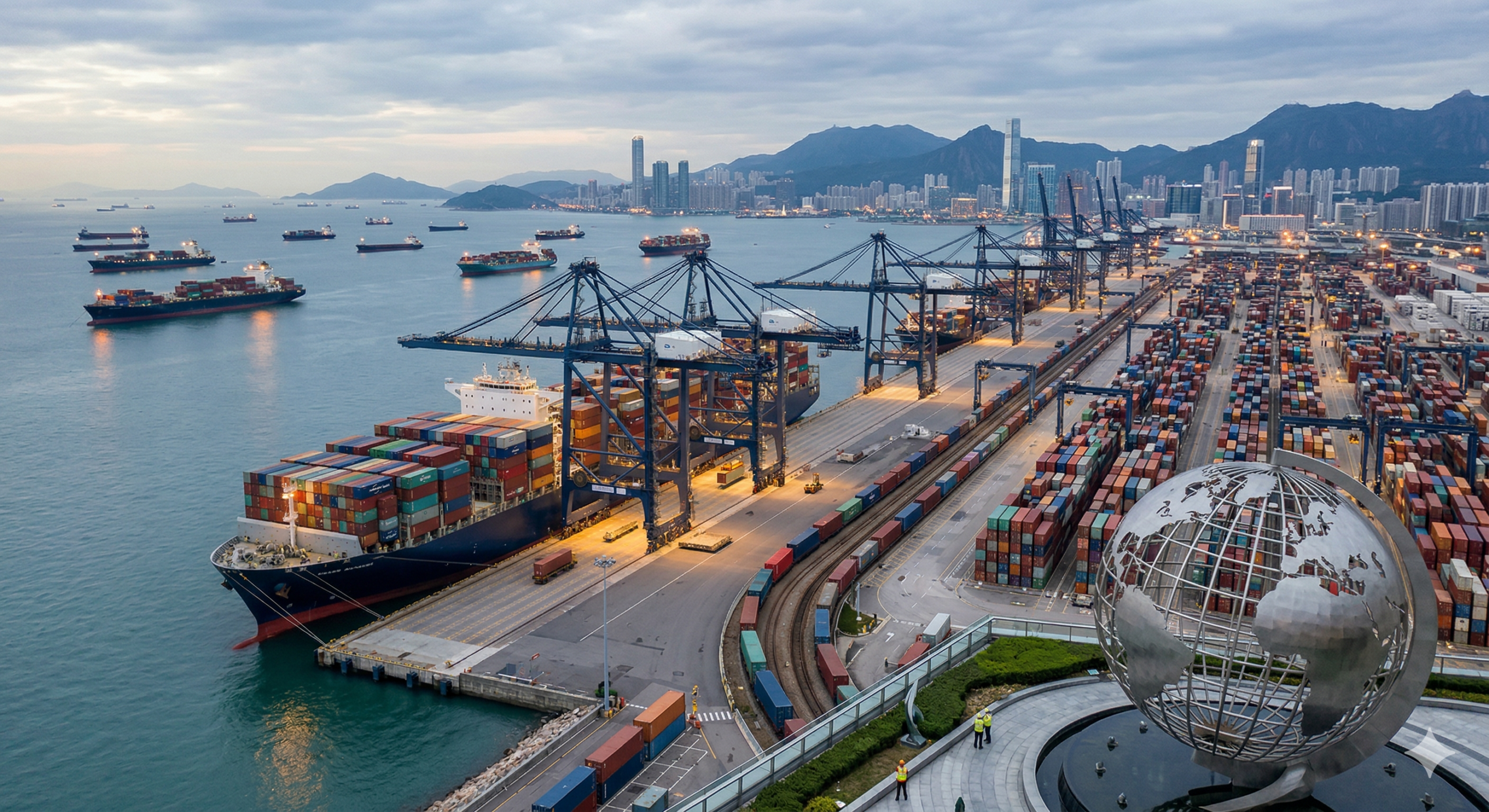
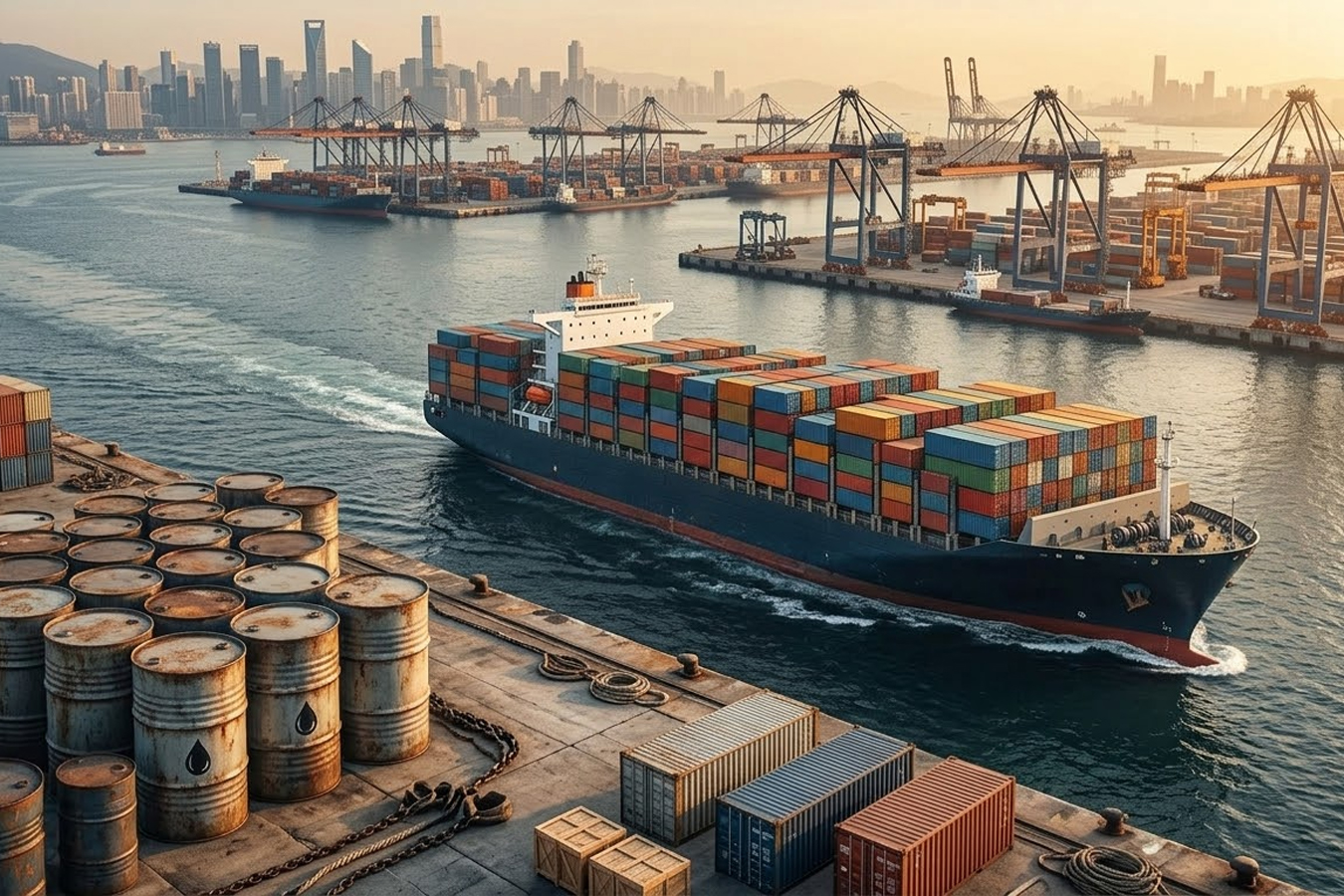
Global trade is built on a handful of chokepoints, narrow straits, and canals through which an outsized share of the world’s cargo flows. When those chokepoints are threatened, the entire system strains. In recent years, the shipping industry has faced simultaneous crises at the Red Sea, the Suez Canal, and the Panama Canal, a perfect storm of trade route disruption that is redefining how freight is moved worldwide.
For US-based businesses importing and exporting globally, understanding these developments and having a logistics partner who can respond quickly is essential.
The Red Sea Crisis: Attacks Force the Cape Detour
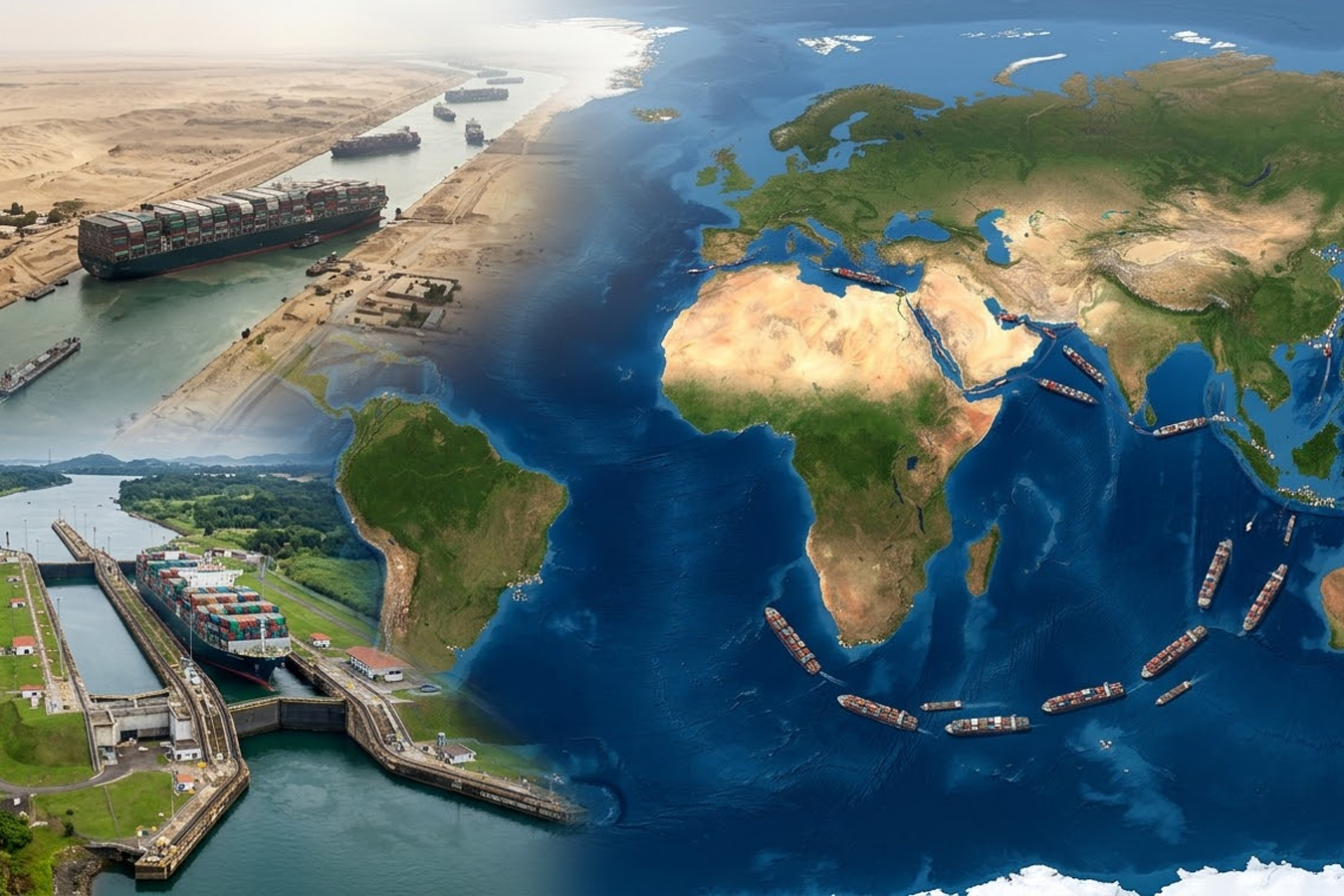
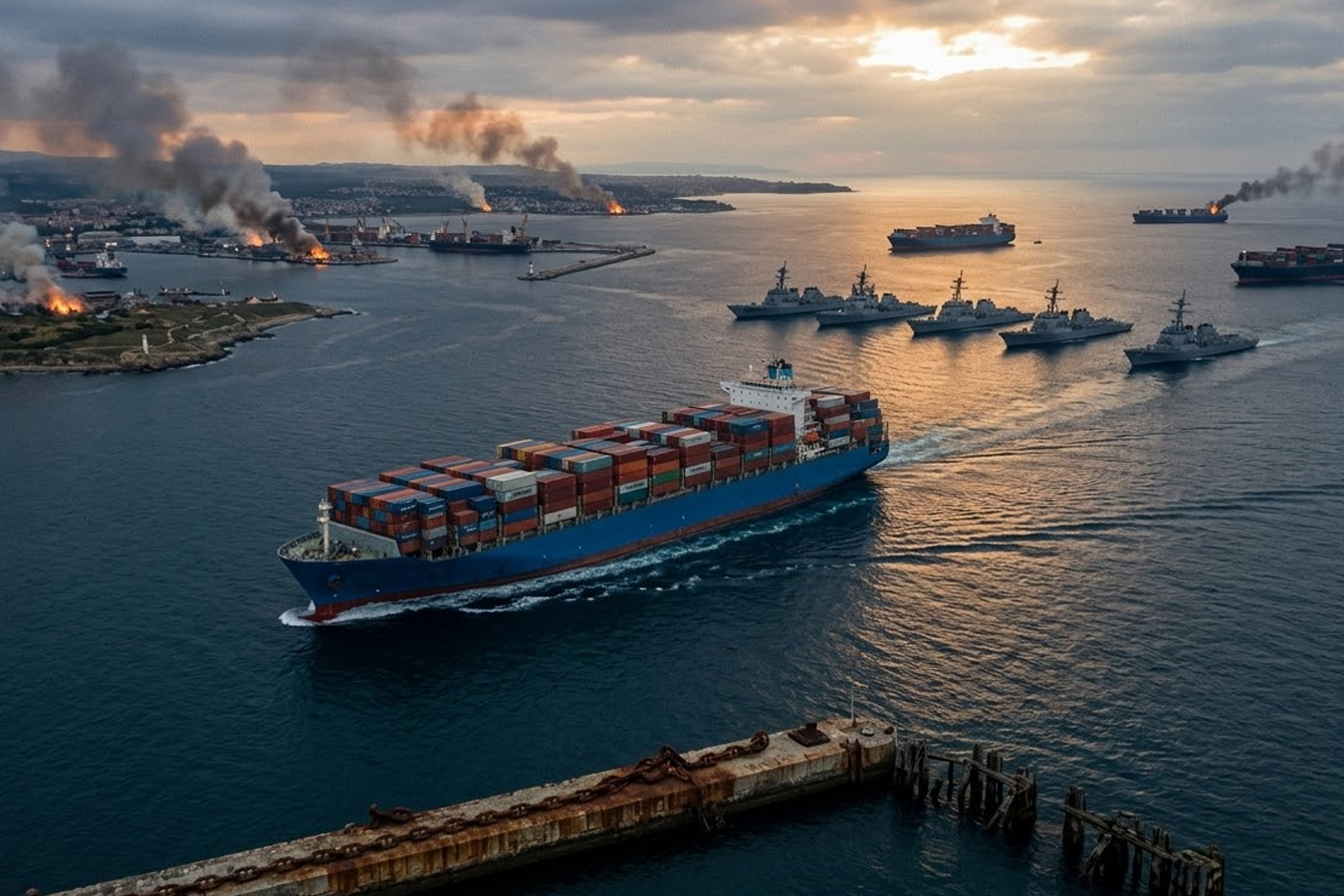
Beginning in late 2023 and extending well into 2025, Houthi missile and drone attacks on commercial vessels in the Red Sea forced a dramatic restructuring of Europe-Asia shipping. Carriers began routing vessels around the Cape of Good Hope in South Africa, adding 10–14 days of transit time and thousands of miles to voyages that previously transited the Suez Canal.
The Cost in Numbers
- Container freight rates on Asia-Europe routes more than doubled in Q1 2024
- Cape of Good Hope rerouting added an estimated $1 million+ in fuel costs per round voyage
- Port congestion spiked at Cape Town, Singapore, and Rotterdam as vessel schedules shifted
The Suez Canal: A Bottleneck in Peacetime, a Risk in Conflict
The Suez Canal handles approximately 12–15% of global trade by volume. Its vulnerability to regional instability, whether from conflict in the surrounding region or from an Ever Given-style blockage. makes diversified routing a strategic necessity for any serious importer or exporter.
Panama Canal Drought: Climate Risk Meets Trade
On the other side of the globe, the Panama Canal faced a different kind of disruption. Historic drought conditions in 2023 reduced water levels in Gatun Lake, the reservoir that feeds the canal’s locks, forcing authorities to limit daily transits and reduce maximum vessel draft. The result: a backlog of hundreds of vessels, skyrocketing slot prices, and a scramble for alternatives across US East Coast and West Coast routing.
Climate disruption is now a permanent factor in trade route planning, not a once-in-a-generation event.
How Globex Shipping USA Adapts to Route Disruptions
Our freight forwarding expertise covers a full range of alternative routing strategies:
- Asia-US East Coast cargo rerouted via West Coast transshipment when Panama slots are constrained
- Europe-bound cargo managed via Gulf of Aden alternatives or air freight escalation for time-critical goods
- Cross-trade routing through Singapore, Dubai, and Rotterdam hubs
- Rail and overland corridors for regional freight when ocean routes are disrupted
- Real-time rate monitoring to lock in capacity before rate spikes hit
What This Means for Your Business
The era of ‘set it and forget it’ ocean freight is over. Route planning must now factor in geopolitical risk, climate variability, and canal infrastructure constraints. Businesses that rely on a single routing strategy are exposed to significant delays and cost escalation.
A resilient logistics strategy requires a freight partner with the network depth to pivot, not just the ability to book a vessel.
→ Talk to Globex Shipping USA about multi-route freight strategies. Visit globexshippingusa.com or call +1 832-819-2622.