
Recent Posts
Get in touch with us?
Everything your Business Needs is already here!
Call For Booking
+1 832-819-2622
The Role of Logistics In Global Trading
November 24, 2025
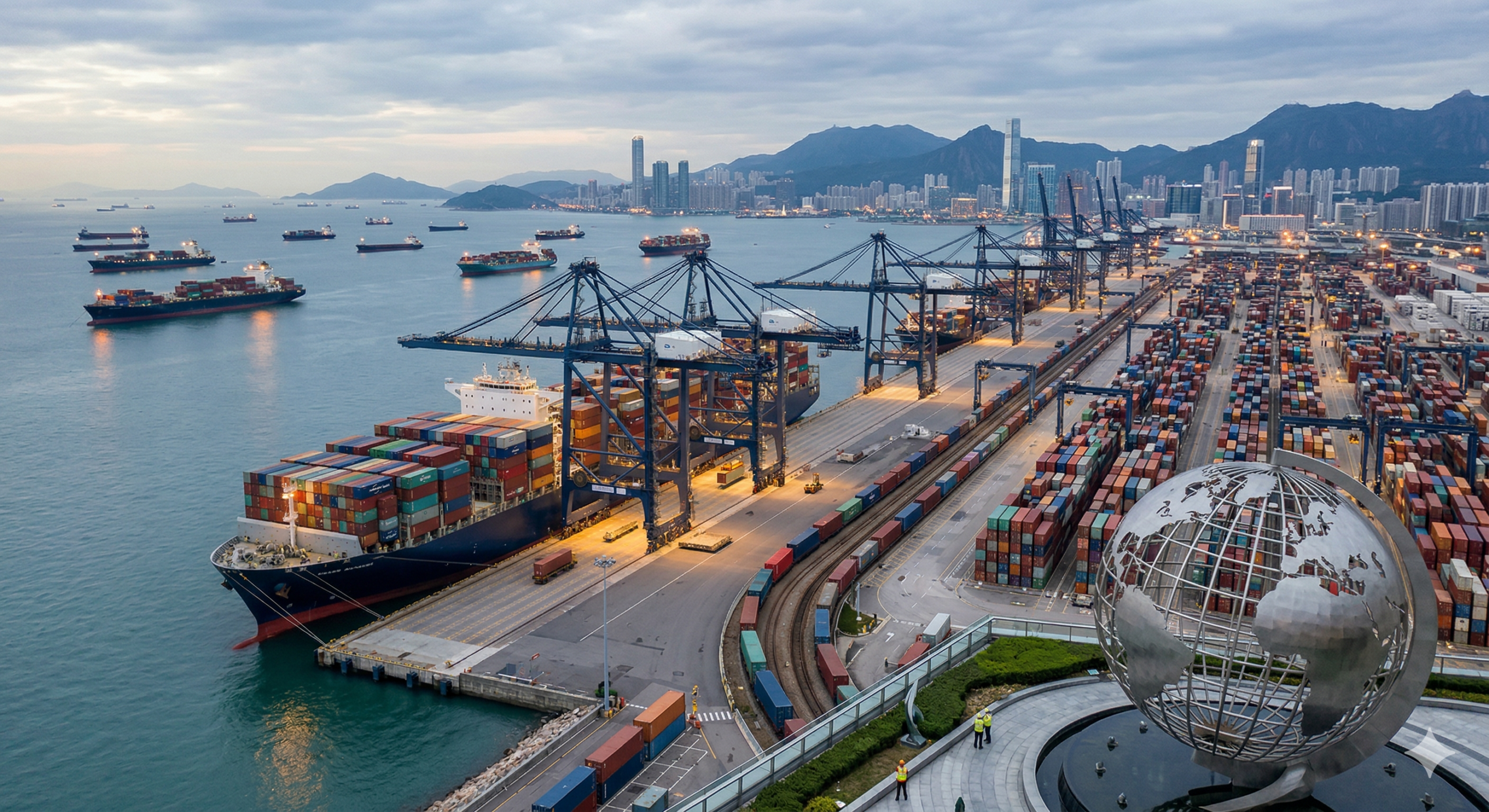
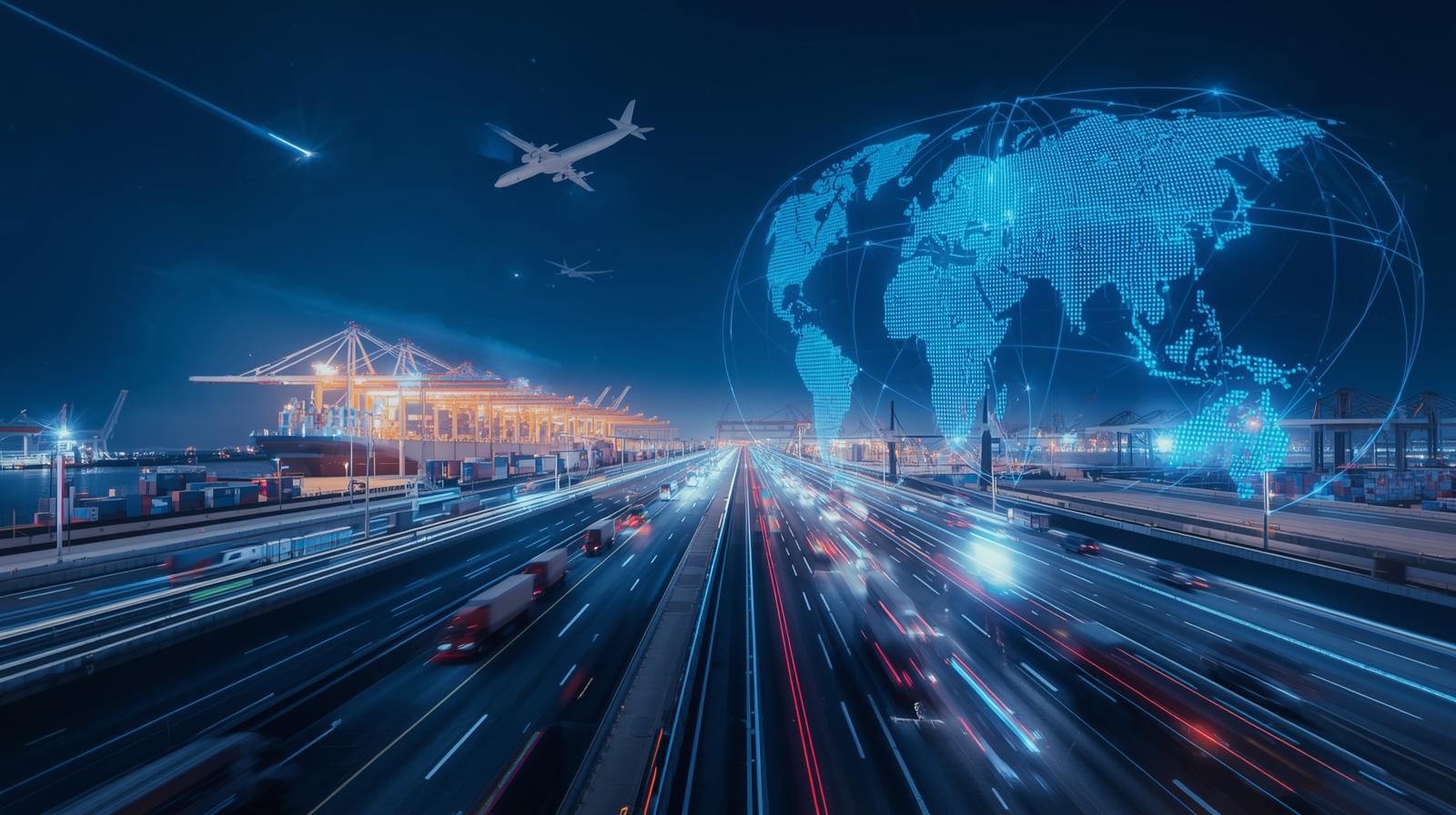
In the modern global economy logistics in shipping stand as a backbone of international trading. The United States being the hub of largest imports and exports in the world, efficient logistics operations are not just a trend being followed, but a crucial necessity to manage huge trade materials. The success of American companies in reaching the global markets heavily depends on how well the products are transported, managed, stored, and distributed across the continents. Logistics connect the dots between the supplier, manufacturers, and consumers, making the global trade smoother, faster, and more cost-effective.
As global trade continues to expand, logistics in shipping enables US businesses to compete on the world stage by optimizing supply chains, reducing transportation cost, and ensuring timely delivery. From ports on the east and west costs to vast inland freight networks, logistics systems help the U.S. maintain its economic influence and trade partnerships worldwide.
Logistics As the Foundation of the Global Trade
Logistics in shipping plays a fundamental role in ensuring that goods move efficiently from point of origin to their destination. For U.S. businesses, this includes coordinating multiple stages, production, warehousing, customs clearance, shipping, and delivery. Whether it’s agricultural exports from California, technology products from Texas, or machinery from Ohio, logistics ensures these goods reach international buyers on time and in optimal condition.
The U.S. also relies heavily on imported goods, ranging from electronics and textiles to raw materials,requiring a well-structured logistics system to manage inbound shipments. Effective logistics in shipping makes sure that these goods pass through customs, are stored properly, and reach manufacturers or retail shelves quickly.
The U.S. Logistics Infrastructure
The United States possesses one of the most advanced logistics networks in the world. Its infrastructure includes:
- Over 25,000 miles of navigable inland waterways
- More than 95,000 miles of coastlines
- Thousands of airports and international terminals
- Major seaports such as LA, Long Beach, New York, and Savannah
These facilities serve as gateways for both imports and exports, enabling efficient trade flows between the US and the international partners. The US government and private sector continuously invest in upgrading ports, highways, and digital logistics systems to keep pace with the growing demands of global trade.
Transportation Modes in U.S. Global Trade
US logistics in shipping relies on multimodal transportation system:
- Air Freight: Ideal for high-value or time-sensitive goods. Major hubs like Chicago O’Hare and Miami International Airport serves as critical international air cargo centers.
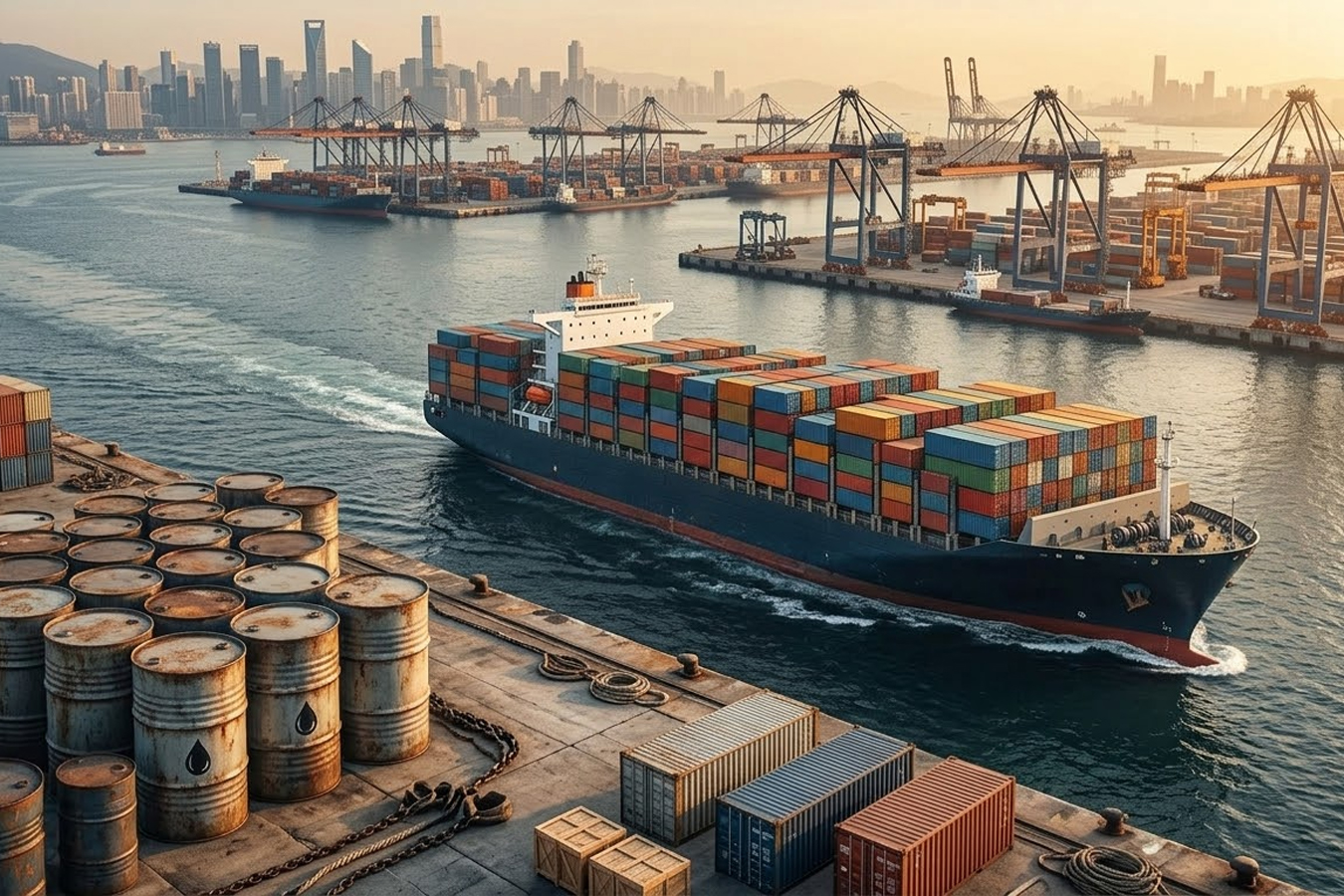
- Ocean Shipping: The most cost-effective for large and heavy goods. Ports in Los Angeles and Long Beach handle a major portion of trade with Asia.
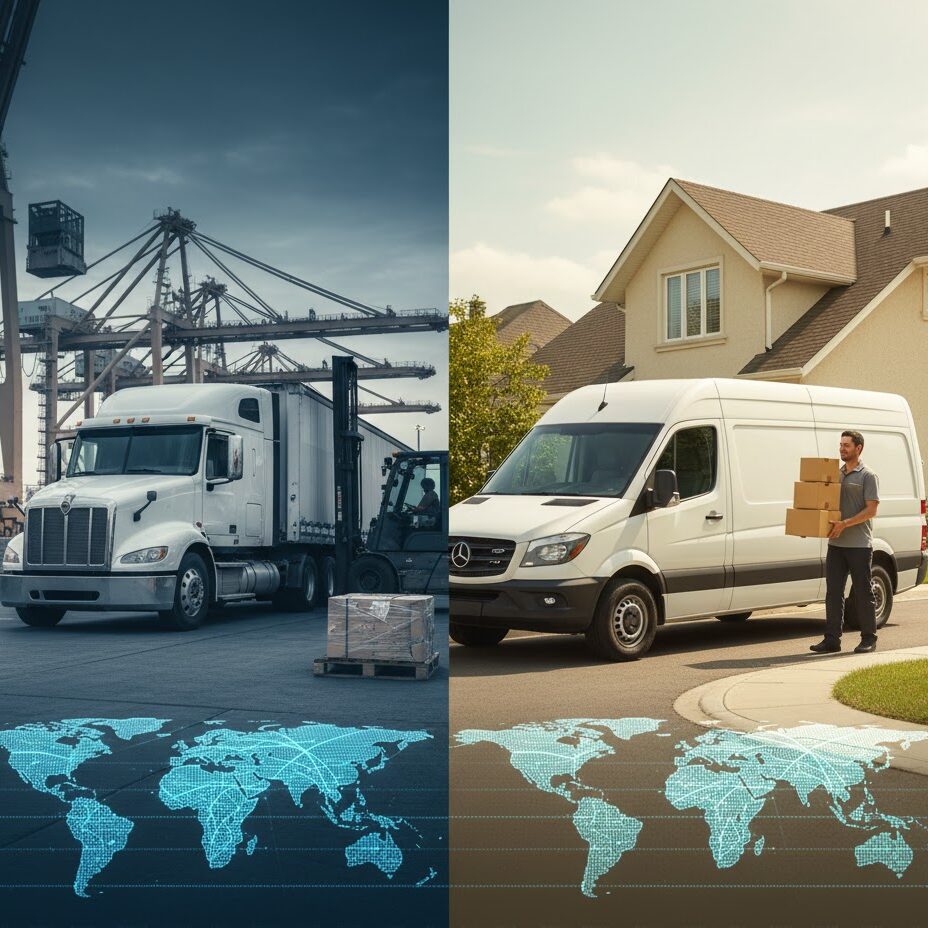
- Rail & Trucking: After arriving the ports, rail and trucks distribute goods across the US. This inland movement is essential for connecting coastal ports with manufacturing hubs in the Midwest and consumers nation-wide.
The Role of Technology in Logistics
Technology has revolutionised logistics in shipping in the US where companies now use advanced tracking systems, warehouse automations, and AI-driven analytics to enhance efficiency. Real-time GPs tracking, digital custom documentation, and predictive analytics help businesses minimize delays and optimize routes.
Emerging technologies like blockchains, Internet of Things (IoT), and robotics warehousing are also enhancing transparency and reliability. These advancements reduce human error, improve customer satisfaction, and strengthen the US’s competitive edge in global markets.
Resilience & Compliances
Logistics & Supply Chain
The COVID-19 pandemic was a setback that exposed weaknesses in global supply chains, pushing US companies to rethink their logistics strategies. Businesses begin diversifying the suppliers, restoring certain manufacturing processes, and investing in more flexible logistics solutions.
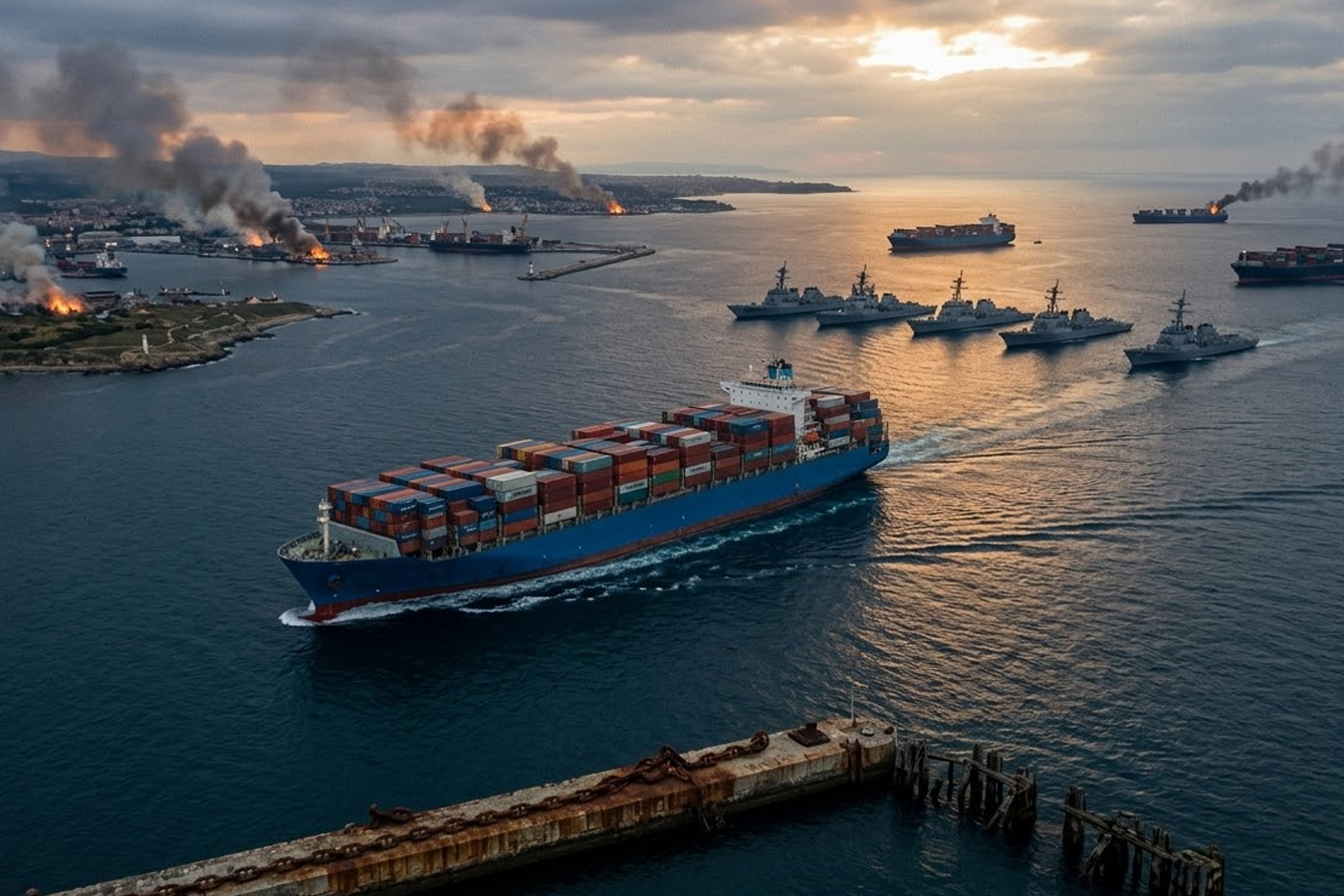
Resilient logistics systems help the US handle disruptions such as port congestion, fuel price hikes, or geopolitical conflicts, ensuring that trade continues despite the global challenges.
Customs & Regulations in Trade
Navigating customs and trade regulations is a crucial part of logistics. US logistics professionals must comply with federal agencies like:
- US Custom and Border Protection (CBP)
- Department of Transportation (DOT)
- Federal Maritime Commission (FMC)
Proper documentation, labeling, and tariff classification are essential to avoid delays or penalties. The US also enforces strict security standards through programs like C-TPAT (Custom-Trade Partnership Against Terrorism), which ensures cargo safety and supply chain integrity.
Sustainability & Green Logistics
Environmental responsibility has become a growing priority for U.S. logistics and trade. Companies are adopting green logistics strategies to reduce carbon emissions, optimize fuel consumption, and use eco-friendly packaging.
Electric trucks, renewable fuels, and sustainable port operations are helping the U.S. logistics sector balance efficiency with environmental impact, meeting both government standards and consumer expectations.
Economic and Strategic Impact
Efficient logistics directly contributes to the U.S. economy. According to the Bureau of Transportation Statistics, logistics and transportation account for nearly 10% of the U.S. GDP. Strong logistics networks attract foreign investment, support job creation, and strengthen international partnerships.
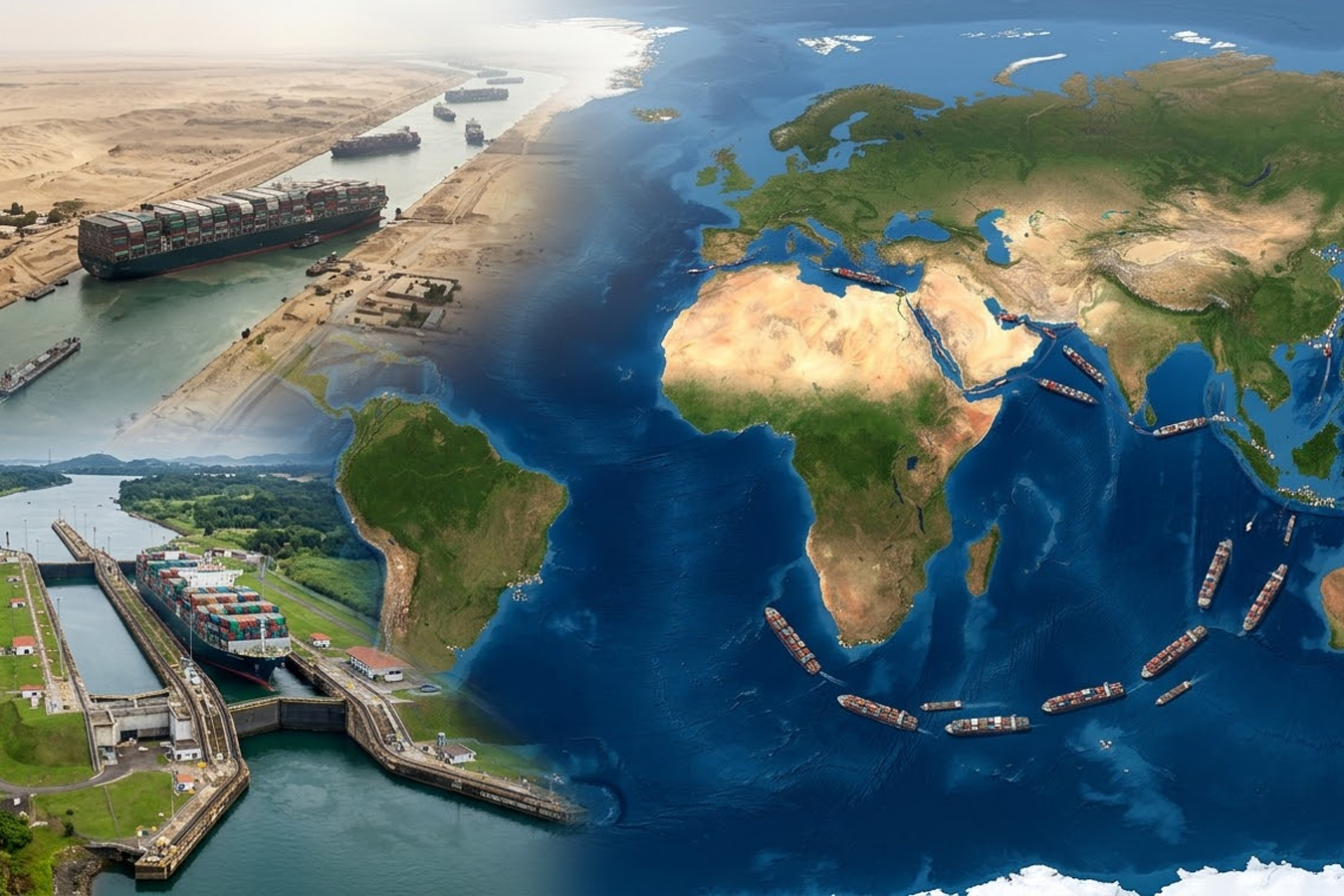
Moreover, logistics in shipping plays a strategic role in maintaining America’s influence in global trade negotiations. Control over transportation routes, data systems, and shipping hubs allows the U.S. to safeguard its trade interests globally.
In global trading, logistics in shipping is more than just moving goods, it’s about connecting economies, creating opportunities, and ensuring competitiveness. For the United States, logistics represents a strategic advantage that supports industries, fosters innovation, and strengthens global partnerships.
As technology continues to evolve, the U.S. logistics system will become even more efficient, sustainable, and resilient, solidifying its role as the heartbeat of global trade in the 21st century.
Logistics in Shipping and Global Trading
The role of logistics in global trading is one of the strongest pillars of the U.S. economy. It connects American businesses with the rest of the world and helps them grow. Every product that leaves or enters the country passes through a chain of logistics steps that make trade possible. From farms and factories to ports and airports, logistics is what keeps goods moving safely and on time. Without it, the U.S. could not maintain its position as one of the biggest trading nations in the world.
In today’s global market, logistics gives the U.S. a major advantage. It allows companies to reach new customers and suppliers, no matter how far they are. When American products such as cars, electronics, or food items are exported to other countries, it creates jobs and supports local businesses at home. The same happens when imports arrive logistics helps get foreign materials or finished products to stores and factories across the nation. This system keeps trade balanced and ensures that both producers and consumers benefit.
Work Opportunities
The logistics industry also supports millions of workers in the United States. From truck drivers and warehouse staff to air cargo handlers and port operators, many people play a part in the trade process. These jobs are important not only for the economy but also for communities across the country. When ports and transportation hubs grow, they create opportunities for new employment and local development. Logistics, therefore, is not just about business, it is about people, livelihoods, and progress.
Another major benefit of logistics in global trading is efficiency. U.S. companies rely on advanced systems to move products quickly and at the lowest cost possible. Every minute saved in shipping and every dollar saved in transport helps improve business performance. For example, better route planning, real-time tracking, and automated warehouses have made U.S. logistics faster and more reliable than ever. These improvements allow businesses to meet global demand while keeping prices competitive for American consumers.
Challenges of Logistics in Shipping
Even though logistics has made global trade easier, it also faces challenges. Port delays, supply chain disruptions, and rising fuel costs can slow down trade and increase expenses. The U.S. has learned from past crises, such as the COVID-19 pandemic, that strong logistics planning is essential. Many companies are now investing in backup suppliers, digital tools, and more flexible shipping routes. These steps help the U.S. economy stay strong even when global conditions are uncertain.
Sustainability has also become an important part of logistics in the U.S. and around the world. More companies are using eco-friendly transport, reducing waste, and focusing on energy efficiency. Electric trucks, cleaner fuels, and renewable energy at ports are helping reduce pollution caused by trade activities. These efforts are good for both the environment and long-term business health. When companies care about sustainability, they build a stronger and more trusted image globally.
Importance of Logistics in Shipping
In the future, logistics in global trading will rely even more on technology and innovation. Artificial intelligence, drones, and smart tracking systems are expected to change how trade works. These tools will make it easier to predict demand, prevent delays, and improve safety. As global competition increases, American logistics will continue to evolve to meet the needs of both exporters and importers. The goal will always be the same: to move goods efficiently, safely, and cost-effectively.
Ultimately, logistics is the invisible engine that keeps global trade running. It allows U.S. businesses to connect with the world, strengthens economic partnerships, and ensures that consumers have access to a wide range of products. Every shipment, every delivery, and every container reflects the hard work of people who keep the system moving. The success of the U.S. in international markets depends largely on how well logistics performs.
The importance of logistics will continue to grow as trade becomes more global and technology keeps improving. The U.S., with its strong infrastructure and innovative mindset, is well-positioned to remain a leader in this field. By focusing on efficiency, sustainability, and technology, the country can maintain its role as a driving force in global commerce. Logistics does not just move goods, it moves the economy forward, supports millions of jobs, and keeps America connected to the rest of the world.
Frequently Asked Questions (FAQs)
Why is logistics important for global trading in the United States?
Logistics is important because it helps move goods in and out of the country in a smooth and organized way. It supports American businesses by making sure products reach global markets on time and in good condition.
How does US logistics help American businesses grow?
U.S. logistics helps businesses grow by giving them access to suppliers and customers in many countries. It also reduces delays and lowers shipping costs, which helps companies stay competitive in global markets.
What are the main transportation modes used in US global trade?
The main transportation modes are air, ocean, rail, and trucking. Air is used for fast and high value goods, ocean is used for large and heavy shipments, and rail and trucking move goods across the country after they arrive at ports.
How does technology help improve the logistics in the United States?
Technology helps by improving tracking, planning, and communication. Companies use digital tools to check shipment locations, manage warehouse operations, and choose the best transport routes, which saves time and money.
What challenges does the US face in global logistics?
Some common challenges include port congestion, fuel cost changes, natural disasters, and delays in supply chains. Companies manage these issues by creating backup plans, working with multiple suppliers, and improving their logistics systems.